

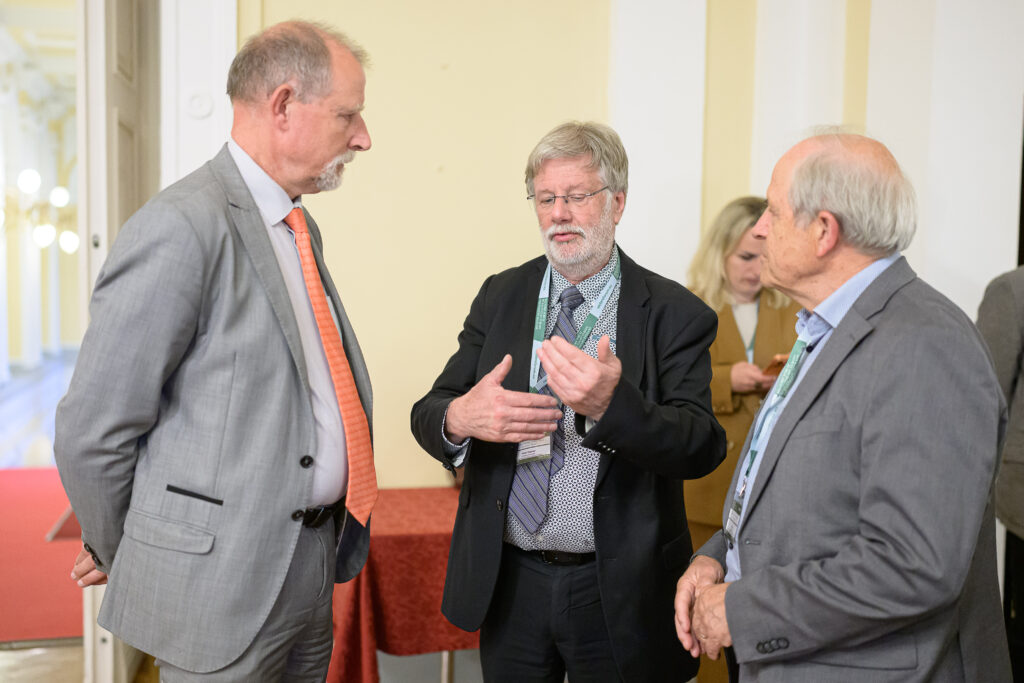
In May 2026, the University of Ljubljana hosted the 11th Rectors’ Forum of South-East Europe and the Western Balkans, held in conjunction with the EUTOPIA Western Balkans Conference. Both events were dedicated entirely to fostering collaboration between universities and the business sector. The gathering brought together rectors and vice-rectors from 15 regional universities alongside representatives of the EUTOPIA European University Alliance, with the aim of exchanging best practices and developing strategies to accelerate the transfer of knowledge into practical application.
Central to the discussions was the transformation of the role of universities within the modern knowledge economy. While the fundamental mission of universities remains the transmission of broad knowledge and the cultivation of critical thinking, their integration into innovation ecosystems is becoming increasingly vital for the region’s economic development.
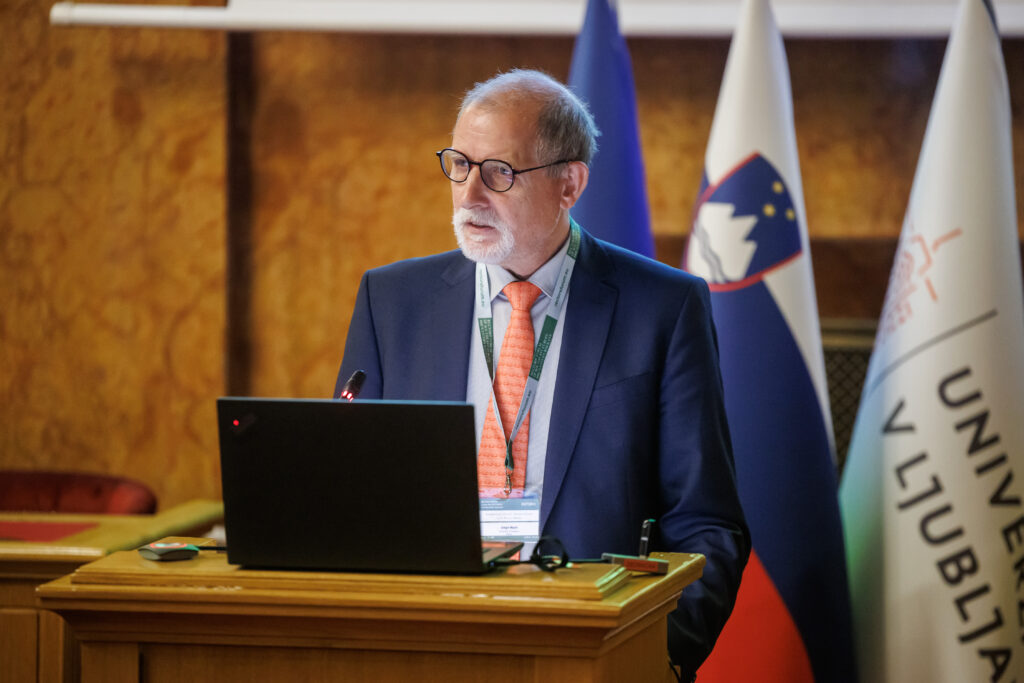
“At a time when bridges are being dismantled across the world, it is all the more important that the academic community remains connected, both at the local and global level. Universities are the institutions that have guided the development of society over the centuries, and that responsibility endures today. Partnerships such as the Rectors’ Forum of South-East Europe and the Western Balkans facilitate the exchange of experience and ideas, and help bridge the divides between countries and peoples. Only a strong and interconnected academic community will be able to transcend the world’s divisions and contribute to building a better world for all. The Rectors’ Forum of South-East Europe and the Western Balkans also plays an important role in fostering regional cohesion in the context of European Union accession, as well as in safeguarding academic freedom and institutional independence — values that remain particularly vulnerable in this part of the world,” said Rector of the University of Ljubljana, Prof. Dr. Gregor Majdič, in his address to the participants.
Secretary-General Prof. Dr. Ivan Svetlik added: “The Rectors’ Forum currently unites 36 universities from the Western Balkans and South-East Europe with the aim of advancing mutual cooperation and strengthening their standing both domestically and across the region. This year’s meeting was joined by three EUTOPIA member universities alongside the Forum’s 13 existing members. The focus of the meeting was raising awareness and sharing experience regarding knowledge circulation between universities, business organisations, and other stakeholders — both in the design and delivery of study programmes and in research and development activities. Particular emphasis was placed on long-term strategic collaboration between the two spheres, micro-credentials, innovative approaches to curriculum design and delivery, and the role of university support services in facilitating these processes.”
Programme Highlights: Space Technology, Knowledge Transfer, and Curriculum Development
The first day of the event was devoted to the Forum’s General Assembly and a visit to the Space-SI Centre of Excellence at the UL Faculty of Natural Sciences and Engineering, where participants had the opportunity to observe concrete examples of high-technology collaboration.
The keynote address was delivered by Prof. Dr. Robert Wagenaar of the University of Groningen, who examined the future of higher education — which, he argued, must be competency-oriented while simultaneously nurturing a sense of civic responsibility. His lecture highlighted the key developments over the past 50 years that have transformed higher education institutions from repositories of knowledge into spaces for active dialogue between civil society, business, and government. In this context, he emphasised the critical importance of internationalisation in enabling the circulation of knowledge and experience — not only among students, but also among academic and administrative staff. Prof. Dr. Wagenaar highlighted micro-credentials as an example of good practice in supplementary skills acquisition that complements and enriches core degree programmes.
On the second day, experts from various fields presented practical solutions for strengthening university–industry ties. Mag. Marjana Majerič (Chamber of Commerce and Industry of Slovenia) and Duša Marjetič (Ministry of Higher Education, Science and Innovation of the Republic of Slovenia) outlined the systemic framework and strategic vision for linking higher education with the business sector. Mag. Majerič underscored that such initiatives often originate from the Chamber of Commerce itself. A case study of successful university–industry collaboration was presented by Dr. Jure Vajs from Lek, who highlighted the exceptional quality of doctoral students’ expertise and their significant contribution to the company’s development, research, and innovation activities. He also drew attention to the importance of early talent identification and the early involvement of young professionals in development processes — both for the competitiveness of the business sector and for advancing high-level knowledge and competencies.
Best practices in translating academic knowledge into real-world application were presented by Mag. Simona Rataj from the Knowledge Transfer Office of the University of Ljubljana and Tuur Roels from Vrije Universiteit Brussel (VUB).
Considerable attention was given to approaches for accelerating the adaptation of curricula to market demands. This topic was addressed by Prof. Dr. Andrej Kos from the UL Faculty of Electrical Engineering and Prof. Sara Bonesso from Ca’ Foscari University of Venice. Prof. Kos presented the importance of aligning study programme content with the requirements of contemporary society and the labour market, with a particular focus on interdisciplinarity and the potential of shorter, modular courses in the context of micro-credentials. Prof. Bonesso shared positive experiences from Ca’ Foscari’s partnerships with companies, in which students engage with real business challenges through project-based learning integrated into the academic curriculum. Ca’ Foscari is also a member of the EUTOPIA Alliance.
Towards a Stronger Region
The conference concluded with a panel discussion in which representatives from the University of Ljubljana, Western Balkan universities, and the EUTOPIA Alliance explored the integration of industry professionals into the teaching process and prospects for joint research initiatives.
Panellists included Prof. Dr. Ksenija Vidmar Horvat, Vice-Rector for Academic and Student Affairs at the University of Ljubljana; Prof. Vladi Finotto from Ca’ Foscari University of Venice; Tuur Roels from the Knowledge Transfer Office at VUB; and Prof. Dr. Igor Nedelkovski, Rector of St. Clement of Ohrid University in Bitola.
Participants presented diverse perspectives on university–industry engagement, emphasising that such collaboration is essential for the continued development of both sectors and for building a robust knowledge society. The university, in this context, is not merely a site of theoretical learning but a key strategic partner for business in the development of innovation, research, and the workforce of the future.
It was also stressed that universities must, despite the pace of change and the demands of the labour market, preserve their broader educational and research mandate. Through rigorous engagement across diverse academic disciplines, universities provide graduates with a solid professional foundation that enables them to enter the labour market effectively and to adapt flexibly to the specific demands and challenges of individual roles. It is precisely the integration of academic knowledge with practical industry experience that creates an environment in which new ideas, competencies, and developmental opportunities emerge for society as a whole.
There was broad consensus among participants that regional cooperation within the Rectors’ Forum is essential for achieving European standards of excellence and enhancing the competitiveness of the entire South-East European area.
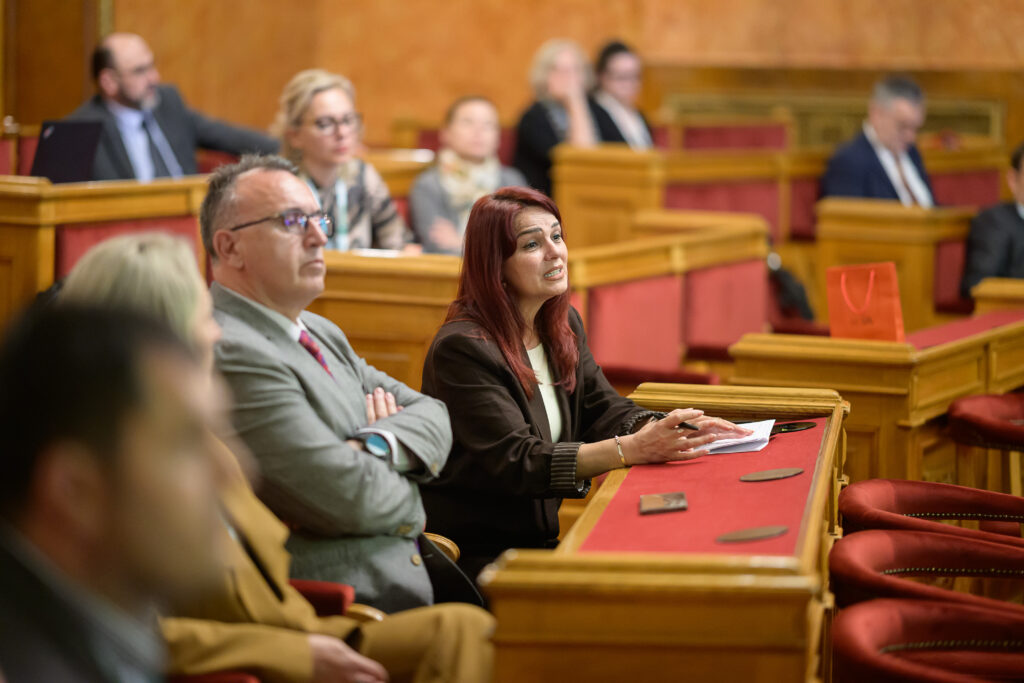
Ljubljana, Rectorate of the University of Ljubljana. Rectors’ Forum of South-East Europe and the Western Balkans.
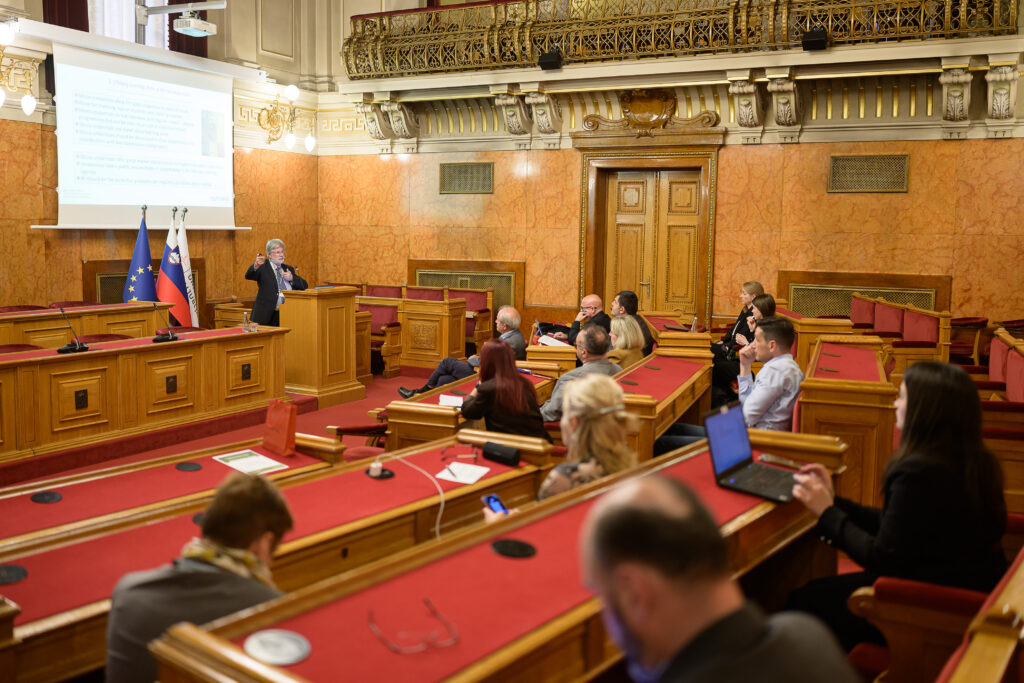
Ljubljana, Rectorate of the University of Ljubljana. Rectors’ Forum of South-East Europe and the Western Balkans.
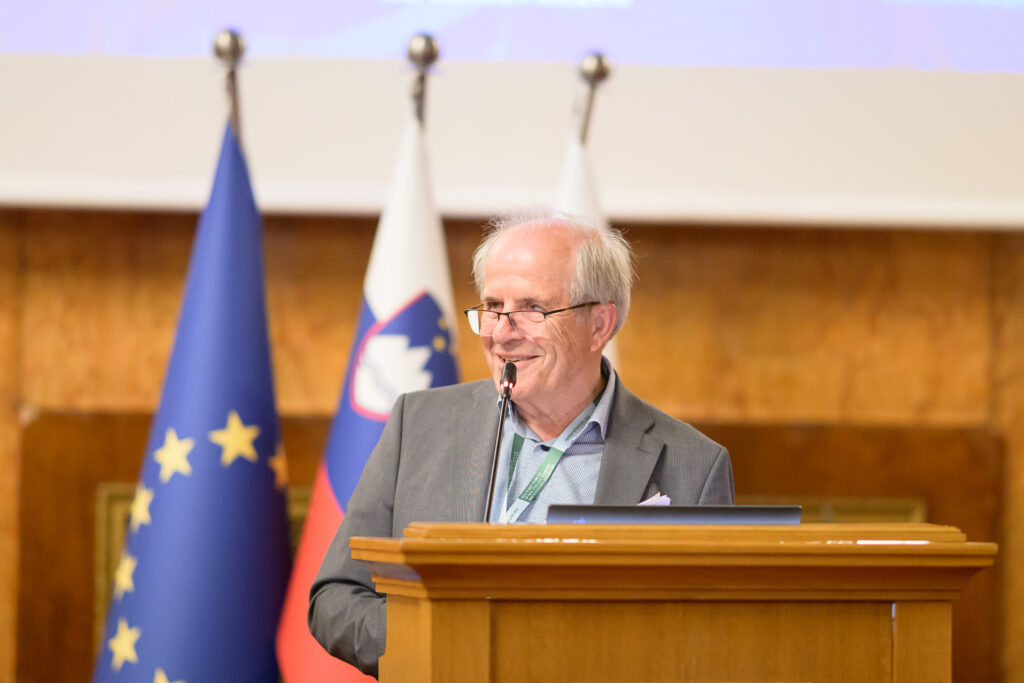
Ljubljana, Rectorate of the University of Ljubljana. Rectors’ Forum of South-East Europe and the Western Balkans.